
Prediabetes is a silent health condition that affects millions of people without obvious warning signs. Most individuals feel completely normal and remain unaware until routine blood tests reveal elevated sugar levels. Understanding this early stage of diabetes can help prevent serious long-term complications. In this article, a prediabetes endocrinologist Dr. Abhishek Shrivastava, explains what prediabetes is, how to recognize it early, and what you can do to stop it from progressing into type 2 diabetes.
What Exactly Is Prediabetes?
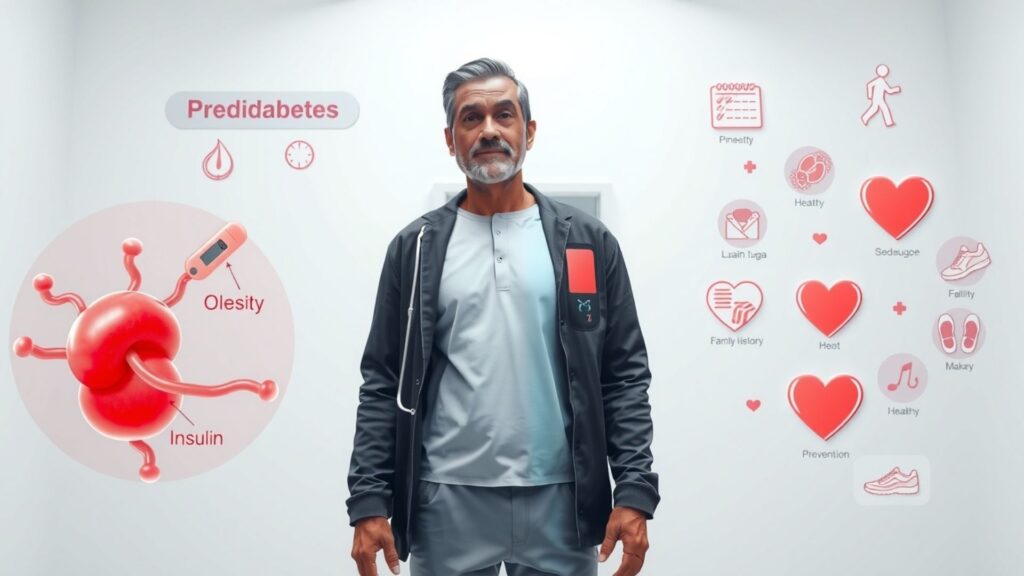
Prediabetes occurs when blood glucose levels are higher than normal but not high enough to be diagnosed as diabetes. It indicates that the body is starting to lose its ability to use insulin efficiently, a condition known as insulin resistance. According to endocrinologist Dr. Abhishek Shrivastava, this stage is a crucial warning period where timely action can completely reverse the problem.
Blood sugar levels in prediabetes typically show:
- Fasting blood sugar between 100–125 mg/dL
- HbA1c levels between 5.7% and 6.4%
If left unaddressed, prediabetes often progresses to type 2 diabetes within a few years.
Common Symptoms Many People Miss
One of the biggest challenges with prediabetes is that symptoms are often mild or absent. However, some people may notice subtle changes. As prediabetes endocrinologist Dr. Abhishek highlights, these symptoms are often ignored or blamed on daily stress.
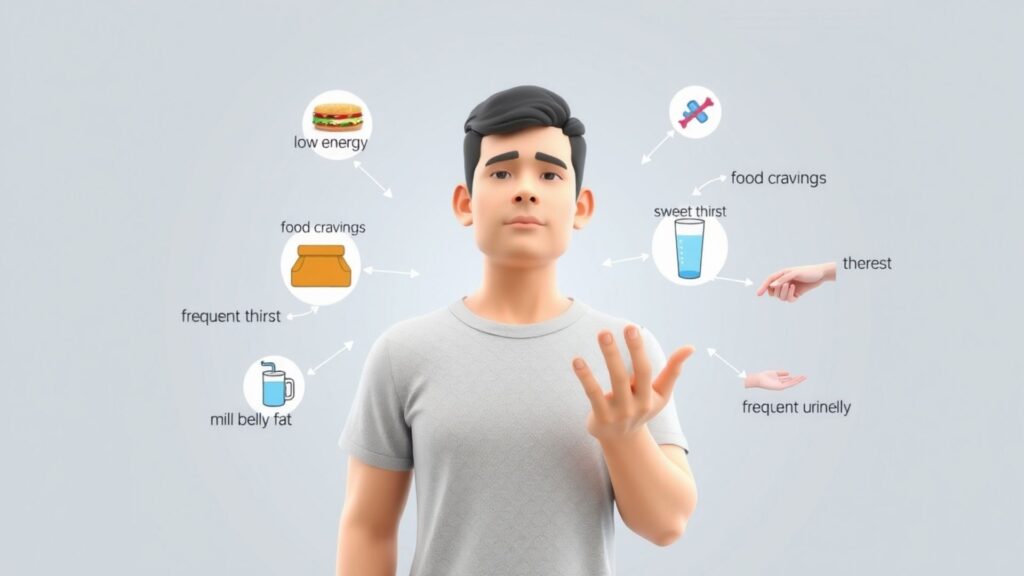
Possible symptoms include:
- Frequent fatigue even after proper rest
- Increased hunger or sugar cravings
- Mild weight gain, especially around the abdomen
- Frequent urination or increased thirst
- Slow healing of minor cuts or infections
Because these signs are non-specific, regular screening is extremely important.
Who Is at Risk of Prediabetes?
Prediabetes does not develop overnight. Certain lifestyle and genetic factors significantly increase risk. Prediabetes endocrinologist Dr. Abhishek Shrivastava emphasizes that individuals with the following factors should be extra cautious:
- Family history of diabetes
- Overweight or obesity
- Sedentary lifestyle
- High blood pressure or cholesterol
- History of gestational diabetes
- Age above 30 years
- Polycystic ovary syndrome (PCOS) in women
Recognizing risk early allows prevention to begin before permanent damage occurs.

How Is Prediabetes Diagnosed?
Diagnosis of prediabetes is simple but often delayed due to a lack of testing. According to prediabetes endocrinologist Dr. Abhishek Shrivastava, routine blood tests are the most reliable way to identify the condition.
Common tests include:
- Fasting blood sugar test
- HbA1c test
- Oral glucose tolerance test (OGTT)
Early diagnosis provides an opportunity to reverse abnormal sugar levels without lifelong medication.
Can Prediabetes Be Reversed?
Yes—this is the most hopeful part. Prediabetes is reversible in most cases. As prediabetes endocrinologist Dr. Abhishek Shrivastava explains, consistent lifestyle changes can restore normal insulin function.
Effective prevention strategies include:
- Losing 5–10% of body weight
- Eating a balanced, low-glycemic diet
- Exercising at least 30 minutes daily
- Reducing refined carbohydrates and sugar
- Managing stress and sleep quality
In selected cases, medication may be advised based on individual risk.

Why Consulting an Endocrinologist Matters
General health advice is helpful, but hormonal and metabolic conditions require specialized care. A prediabetes endocrinologist, Dr. Abhishek Shrivastava, focuses on identifying the root cause of insulin resistance rather than only treating sugar levels.
Endocrinologist-guided care ensures:
- Personalized diet and exercise planning
- Early identification of hormonal issues
- Accurate risk assessment for diabetes progression
- Long-term metabolic health monitoring
This approach significantly reduces the chances of developing type 2 diabetes.
Common Google Questions About Prediabetes (Answered)
Can prediabetes cause complications?
Yes. Even before diabetes develops, prediabetes can increase the risk of heart disease, fatty liver, and nerve damage if ignored.
How long does it take for prediabetes to turn into diabetes?
Without lifestyle changes, many people progress to diabetes within 3–5 years, though it can happen sooner.

Is medication always required for prediabetes?
Not always. As prediabetes endocrinologist Dr. Abhishek Srivastava explains, lifestyle modifications are often enough in the early stages.
Can thin people have prediabetes?
Yes. Genetics, stress, and hormonal imbalance can cause prediabetes even in people with normal body weight.
Final Thoughts
Prediabetes is not a disease—it is a powerful warning. With timely diagnosis and the right guidance, progression to diabetes can be prevented. By following expert advice from prediabetes endocrinologist Dr. Abhishek Shrivastava, individuals can regain control of their health and protect their future. Early action today can prevent lifelong complications tomorrow.