
Stress and Hormones Dr. Abhishek Srivastava” reminds us that daily habits shape long-term wellness.
In today’s fast-paced lifestyle, stress has become a daily experience for many people. But what most of us don’t realize is that stress silently affects our entire hormonal system — especially the thyroid gland, body weight, and blood sugar levels.
Understanding this connection is the first step toward better health. As explained by experts like Stress and Hormones Dr. Abhishek Shrivastava, your body reacts to every stressful thought or situation by releasing certain hormones that influence the way you feel, behave, and function.
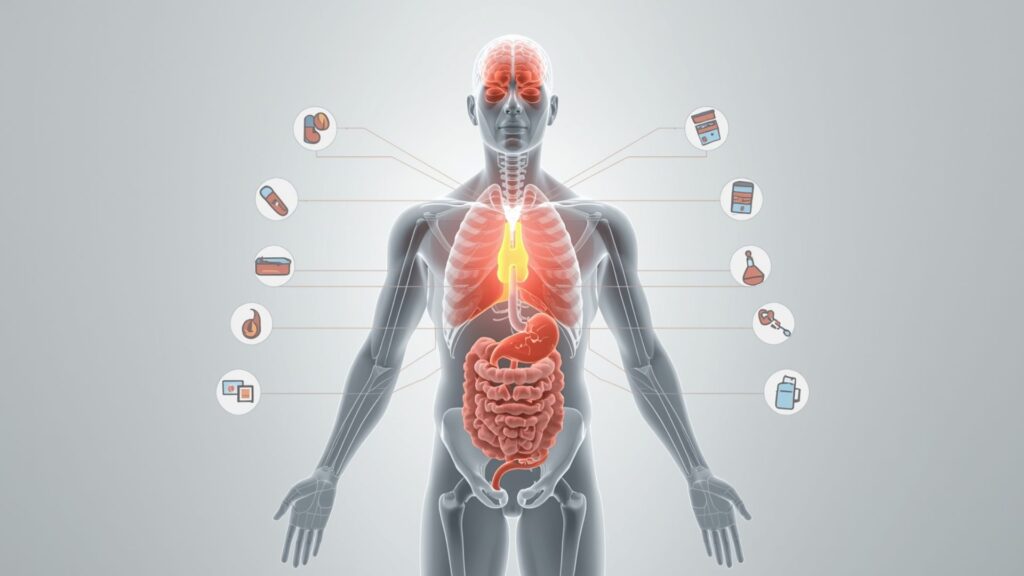
How Stress Affects Your Thyroid Hormones
Your thyroid gland plays a major role in regulating energy, metabolism, body temperature, and mood. When you are under constant stress, your body releases cortisol, the primary stress hormone. High cortisol levels interfere with the functioning of the thyroid in three main ways:
1. Reduced Thyroid Hormone Production
Chronic stress slows down the conversion of T4 into the active hormone T3. This reduction can make you feel tired, cold, and mentally foggy.
2. Increased Risk of Hypothyroidism
Long-term stress may worsen existing thyroid conditions or trigger symptoms of hypothyroidism in people who are borderline.
3. Worsening Autoimmune Thyroid Disorders
For patients with Hashimoto’s or Graves’ disease, stress can increase inflammation and trigger flare-ups.
This is why Stress and Hormones Dr. Abhishek Shrivastava often emphasizes lifestyle management along with medical treatment for thyroid patients.

How Stress Contributes to Weight Gain
Many people wonder why they gain weight even when eating normally. The answer often lies in the “stress hormones.”
1. Cortisol Increases Belly Fat
Excess cortisol signals your body to store more fat around the abdomen. This is protective in short-term stress but harmful when stress lasts for months.
2. Emotional Eating and Cravings
Stress increases cravings for sugary, salty, and high-calorie foods. This is your brain’s way of seeking comfort, not hunger.
3. Slow Metabolism
Stress reduces muscle mass and slows your metabolic rate, making weight loss harder. According to Stress and Hormones Dr. Abhishek Shrivastava, many patients struggling with obesity actually have stress-driven hormonal imbalance working against them.
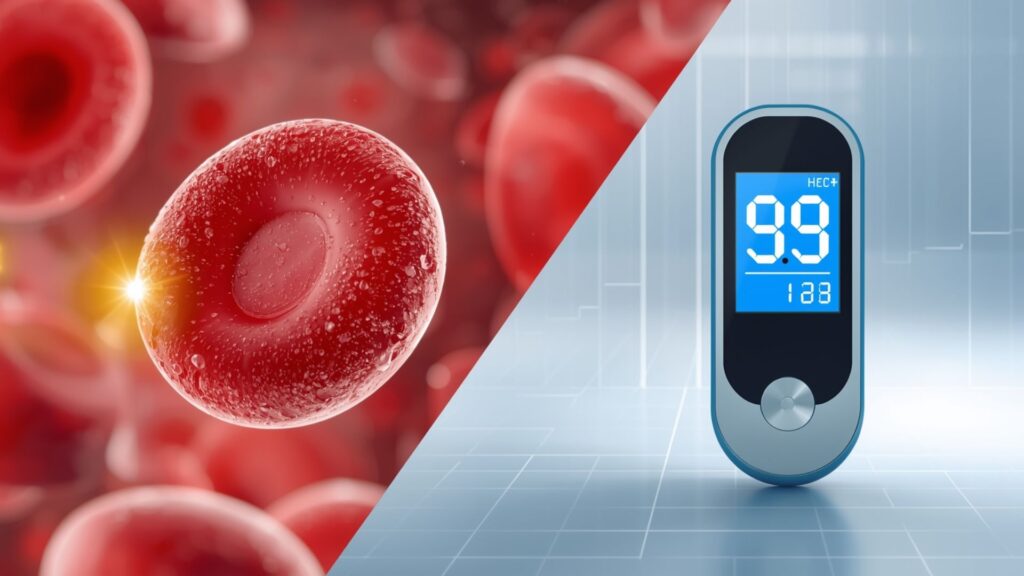
Stress and Blood Sugar: Why Glucose Rises Under Pressure
Whether you have diabetes or not, stress can raise your blood sugar levels. Here’s how:
1. Cortisol Raises Glucose Levels
Under stress, your body releases glucose into your bloodstream to give you energy to “fight or run.” But modern stress has no physical outlet, so the sugar stays high.
2. Stress Affects Insulin Function
Long-term stress leads to insulin resistance, which is one of the biggest risk factors for type 2 diabetes.
3. Stress Worsens Diabetes Symptoms
Patients may experience more fluctuations, cravings, irritability, or fatigue. This is why Stress and Hormones Dr. Abhishek Shrivastava advises stress management techniques as part of diabetes care.

Which Hormones Are Involved in Emotions and Stress?
Our emotional response is deeply connected to hormones. The major hormones involved include:
1. Cortisol
The main stress hormone; increases heart rate, blood sugar, and alertness.
2. Adrenaline
Released during sudden stress or fear; causes rapid heartbeat and sweating.
3. Serotonin
A mood-regulating hormone; low levels cause anxiety, irritability, and sadness.
4. Dopamine
The “reward hormone”; motivates pleasure and satisfaction.
5. Oxytocin
Known as the “love hormone”; enhances bonding and reduces fear.
When these hormones become imbalanced, emotional health is affected, leading to anxiety, irritability, sudden mood changes, or lack of motivation. Hormonal balance is a key component in mental well-being, which is why Stress and Hormones Dr. Abhishek Shrivastava highlights emotional health as part of endocrine care.

How to Reduce Hormones That Cause Stress and Anxiety
Managing stress hormones is possible with lifestyle modifications, consistent habits, and mindful practices. Here are some effective and scientifically proven methods:
1. Deep Breathing and Meditation
Even 5–10 minutes of slow breathing reduces cortisol levels. Meditation also increases serotonin, improving overall emotional balance.
2. Regular Exercise
Physical activity reduces stress hormones and boosts endorphins — the body’s natural mood elevators.
3. Quality Sleep
A minimum of 7–8 hours of sleep helps regulate cortisol and improves thyroid function.
4. Healthy Eating
Balanced meals with whole grains, fruits, vegetables, nuts, and omega-3 fats stabilize blood sugar and reduce adrenal stress.
5. Limiting Caffeine and Sugar
Too much caffeine increases adrenaline and can trigger anxiety.
6. Staying Connected
Talking to family or friends increases oxytocin levels, which naturally reduces stress.
These steps are routinely recommended by Stress and Hormones Dr. Abhishek Shrivastava to help patients regain hormonal balance and improve their well-being.

People Also Ask (PAA) Answers
1. Can stress cause thyroid problems?
Yes, chronic stress affects thyroid hormone production and can worsen hypothyroidism or autoimmune thyroid disorders.
2. How does stress lead to weight gain?
Stress raises cortisol levels, which increases cravings, slows metabolism, and stores fat around the abdomen.
3. Can stress raise blood sugar levels even if I don’t eat?
Yes, stress triggers the liver to release glucose, causing high sugar levels without food intake.
4. Which hormone increases during stress?
Cortisol is the primary stress hormone, and high levels disrupt thyroid, blood sugar, and metabolic health.
5. How can I reduce stress-related hormonal imbalance?
Improve sleep, exercise regularly, practice mindfulness, and seek medical guidance if symptoms worsen.