
What Is Visceral Obesity in Women? Hidden Belly Fat, Pregnancy & Genetic Risks Explained
Visceral obesity in women is a growing but often overlooked health concern. Many women focus on body weight or visible fat, yet the most dangerous fat is the one you cannot see clearly—fat that surrounds your internal organs. This deep abdominal fat quietly increases the risk of diabetes, heart disease, hormonal disorders, and long-term metabolic problems. Understanding visceral obesity in women is the first step toward preventing serious health complications.
This article explains what internal obesity in women actually is, why it increases after pregnancy, what role hormones and genetics play in it, and which foods quietly worsen the condition.
What Is Visceral Obesity in Women?
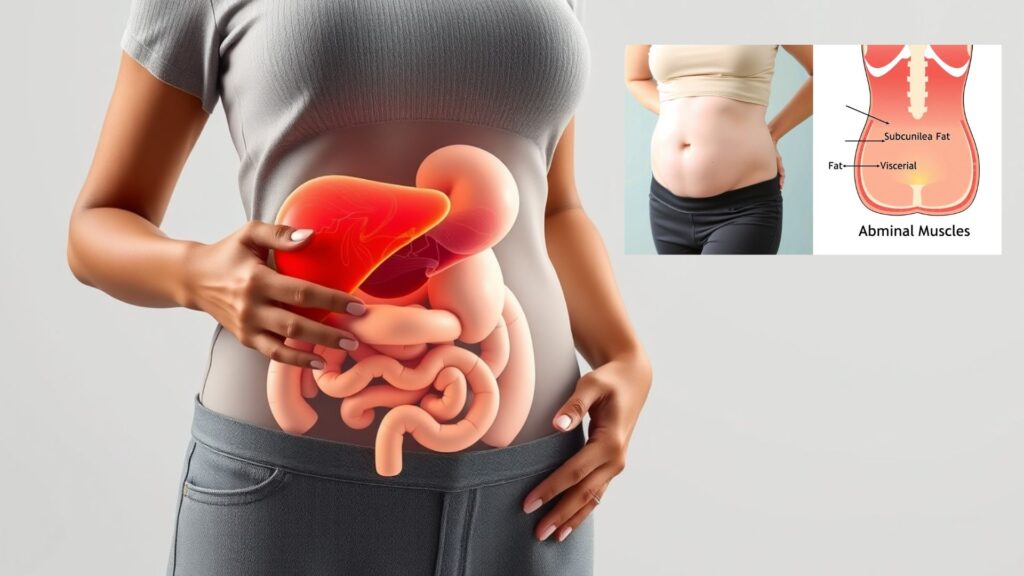
Internal fat in women refers to the excessive accumulation of fat around vital organs such as the liver, pancreas, intestines, and heart. Unlike subcutaneous fat, which lies just under the skin and can be pinched, visceral fat sits deep inside the abdomen and is metabolically active.
This type of fat releases inflammatory chemicals and hormones that disturb insulin function, raise cholesterol levels, and increase blood pressure. Even women with a normal body weight can have visceral obesity if fat is concentrated around the waist. A persistent increase in waist size is often the first visible sign of visceral obesity in women.
Which organ is most affected by internal obesity in women?
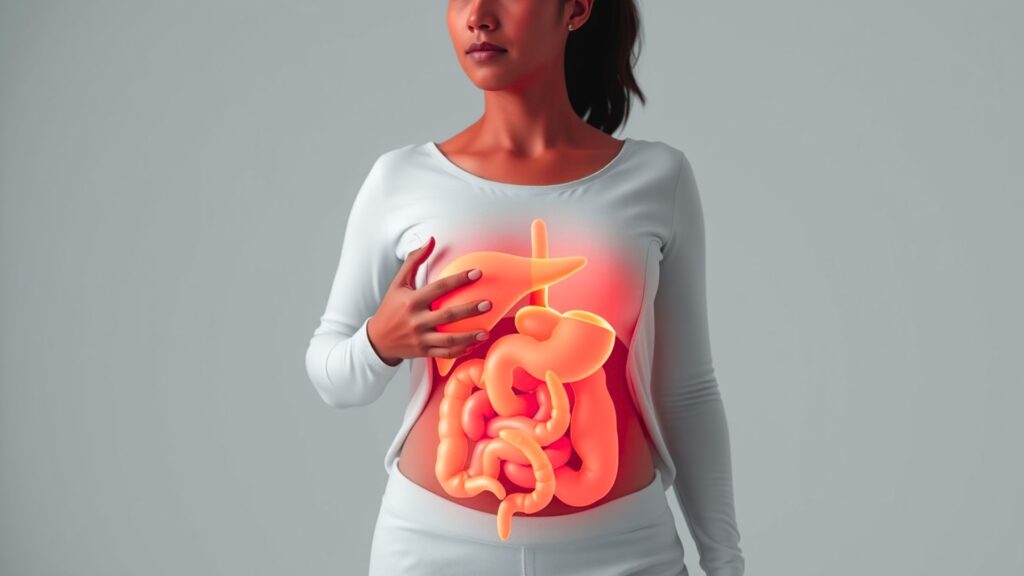
The organ most commonly and severely affected by internal obesity in women is the liver. Excess visceral fat promotes fat accumulation inside liver cells, leading to non-alcoholic fatty liver disease (NAFLD). Over time, this condition can progress to liver inflammation, fibrosis, and even liver failure.
Visceral obesity in women also damages the pancreas by increasing insulin resistance, raising the risk of type 2 diabetes. The heart and blood vessels suffer as well, as visceral fat accelerates plaque formation and chronic inflammation.

Why Does Visceral Obesity Increase After Pregnancy?
Many women notice stubborn belly fat after childbirth, even months or years later. Visceral obesity in women increases after pregnancy due to several combined factors. During pregnancy, the body naturally stores fat to support fetal growth and breastfeeding. Hormonal shifts, reduced physical activity, sleep deprivation, and stress after delivery further promote fat storage in the abdominal area.
Additionally, weak core muscles and changes in metabolism after pregnancy make it easier for visceral fat to accumulate. Without targeted lifestyle changes, weight gain after pregnancy can gradually turn into obesity of internal organs in women.
Do Hormonal Changes in Women Cause Visceral Obesity?
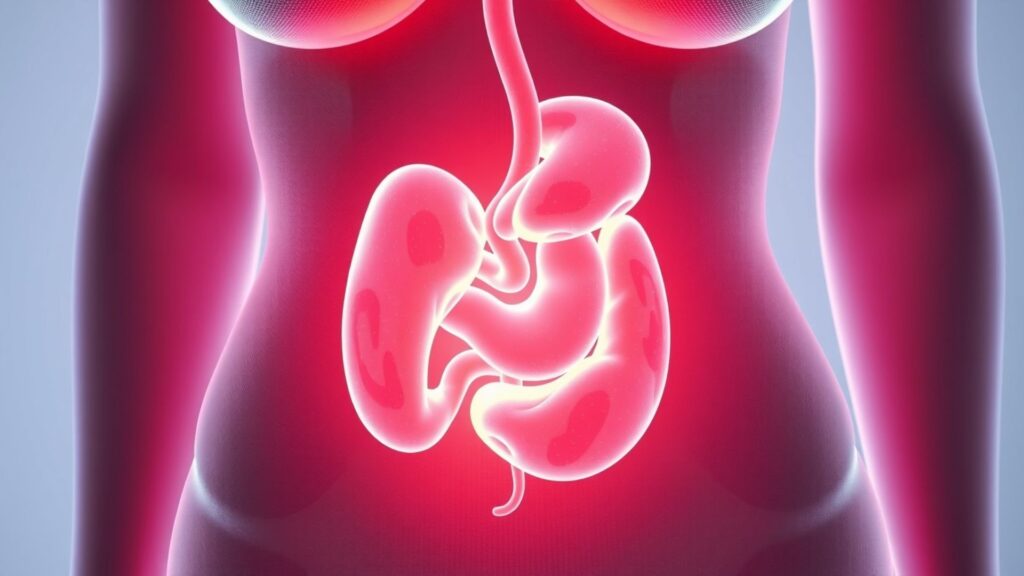
Yes, hormonal changes are one of the main reasons for increased internal fat in women. Estrogen plays a protective role by guiding fat storage toward hips and thighs. When estrogen levels drop or fluctuate—during menopause, after pregnancy, or due to conditions like PCOS—fat redistribution shifts toward the abdomen.
High cortisol levels from chronic stress also promote visceral fat storage. Thyroid imbalance and insulin resistance further slow down metabolism, making women more likely to develop obesity around internal organs, even with a reduced calorie intake.

Is Visceral Obesity Genetic?
Genetics does influence the increase in internal organ fat in women, but it does not make this condition inevitable. If close family members have abdominal obesity, diabetes, or metabolic syndrome, the risk is higher. Genetic factors affect how fat is stored, how hormones function, and how the body responds to insulin.
However, lifestyle choices such as diet quality, daily movement, sleep patterns, and stress management largely determine whether genetic risk turns into visceral obesity in women.

Which Foods Increase Visceral Obesity?
Certain foods directly contribute to increased internal organ fat in women by increasing insulin levels, inflammation, and fat storage. Common culprits include:
- Refined carbohydrates such as white bread, pastries, and sugary snacks
- Sugar-sweetened beverages and packaged fruit juices
- Fried and ultra-processed foods high in trans fats
- Excessive alcohol consumption
- Frequent intake of fast food and ready-to-eat meals
Regular consumption of these foods pushes the body toward abdominal fat accumulation, even if total calorie intake does not seem excessive.
Why Early Detection Matters
Internal organ fat in women often develops silently without any obvious symptoms. Routine weight checks may miss it entirely. Measuring waist circumference, monitoring blood sugar levels, and assessing lipid profiles are crucial for early detection.
According to Jabalpur-based obesity expert Dr. Abhishek Shrivastava, many women seek medical advice only after complications appear. He emphasizes that early lifestyle correction can significantly reverse visceral obesity in women and prevent lifelong metabolic disease.

How Can Visceral Obesity Be Reduced?
Losing internal body fat in women requires more than crash dieting. Sustainable changes such as balanced nutrition, strength training, regular walking, stress control, and proper sleep are essential. Hormonal evaluation may also be needed in some cases to address underlying imbalances.
Professional guidance helps identify hidden risk factors and ensures a safe, long-term approach rather than short-term weight loss.
Frequently Asked Questions (FAQs)
Is internal organ obesity in women more dangerous than overall obesity?
Yes, visceral obesity in women is more harmful because it directly affects internal organs and increases chronic disease risk.
Can slim women have visceral obesity?
Yes, women with normal weight can still have high visceral fat, especially if they have a sedentary lifestyle or hormonal imbalance.

Does exercise reduce visceral fat?
Regular physical activity, especially strength training and brisk walking, is highly effective in reducing visceral fat.
How long does it take to reduce visceral obesity?
Visible improvement may take a few months, but internal health markers often improve earlier with consistent lifestyle changes.
Final Thought
Internal fat gain in women isn’t just a cosmetic issue—it’s a serious health problem that needs attention. By understanding its causes, risks, and triggers, women can take proactive steps toward long-term health. Early awareness, expert guidance, and sustainable habits can make a life-changing difference.